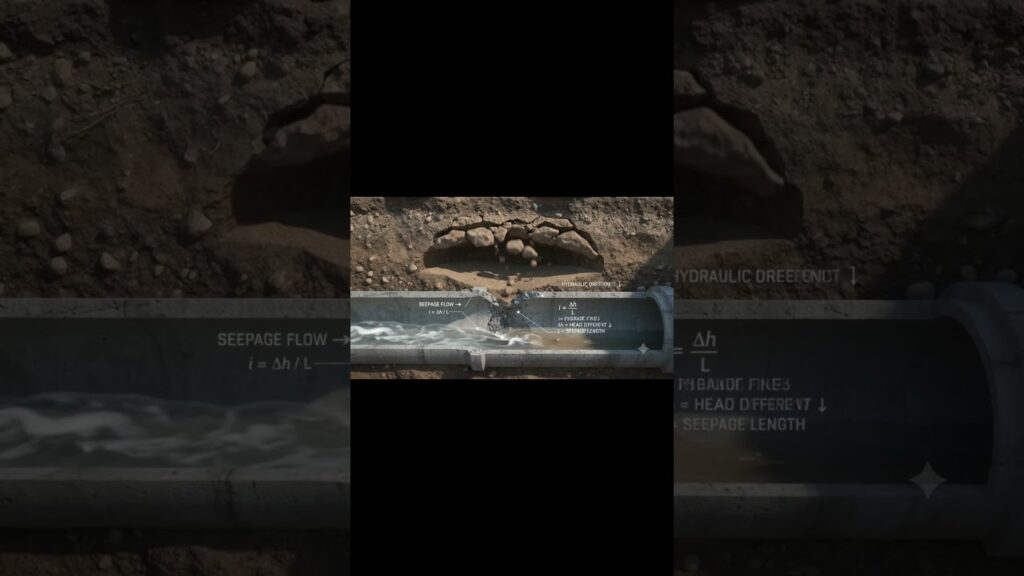
He Dumped 100 Tons of Iron Into the Ocean to Save the Planet… The Outcome Shocked Everyone. In 2012, a man named Russ George convinced a struggling Indigenous village to fund the largest unauthorized geoengineering experiment in human history. Without permits or government oversight, they dumped 100 tons of iron dust into the Pacific Ocean, aiming to trigger a massive plankton bloom, capture billions of tons of carbon, and bring the local salmon population back from the brink of extinction.
But what actually happened when the ocean turned green? This video explores the controversial science of ocean iron fertilization, the legal loopholes that made this rogue experiment possible, and the shocking 2013 salmon boom that scientists still debate today.
What do YOU think?
Should we be allowed to artificially hack the ocean to fight climate change, or is geoengineering too dangerous to test? Let me know your thoughts in the comments below! And if there’s another unsolved environmental mystery or controversial science story you want me to cover next, drop your suggestions!
⏳ Chapters & Timestamps:
00:00 – The Largest Geoengineering Experiment in History
01:38 – The “Green Deserts” & Ocean Iron Fertilization Explained
03:15 – Give Me Half a Tanker of Iron (John Martin’s Hypothesis)
04:45 – The Global Moratorium & The Loophole
05:32 – Who is Russ George?
06:55 – The Haida Gwaii Village & The 100-Ton Iron Dump
08:42 – The Investigation & The Toxic Red Tide
10:15 – Did it Actually Work? The 2013 Salmon Boom
11:35 – The Future of Legal Geoengineering (2026 Update)
12:50 – The Final Question
📚 Deep Research, Data Sources & References:
For those who want to dive deeper into the science and legality of this story, here are the primary sources and historical records referenced in this video:
The Original Story Breaking (2012): Reporting by Martin Lukacs for The Guardian (Oct 15, 2012), which exposed the Haida Gwaii ocean fertilization project to the world after it was uncovered at the UN biodiversity conference.
Scientific Reviews on the Experiment: A major 2017 review in the journal Nature analyzing the 2012 Haida Gwaii iron dump, concluding that there is no verifiable scientific evidence that the experiment successfully sequestered long-term carbon or directly caused the salmon boom.
John Martin’s Iron Hypothesis: Research referencing oceanographer John Martin’s 1988 presentation and subsequent experiments like EIFEX (2004, published in Nature), which proved that iron fertilization could pull down carbon, though with variable long-term success.
International Law & The Moratorium: The United Nations Convention on Biological Diversity (CBD) 2008 moratorium on ocean fertilization, and the 2013 amendments to the London Protocol, which regulate marine geoengineering (and remain unratified by the required majority as of recent years).
Recent Push for Legal Testing: Calls from institutions like the Woods Hole Oceanographic Institution (WHOI) and the Bigelow Laboratory advocating for responsible, highly monitored, and legal ocean iron fertilization research to combat climate change, distancing modern science from rogue experiments.
#Geoengineering #ClimateChange #OceanConservation #ScienceDocumentary #CarbonCapture